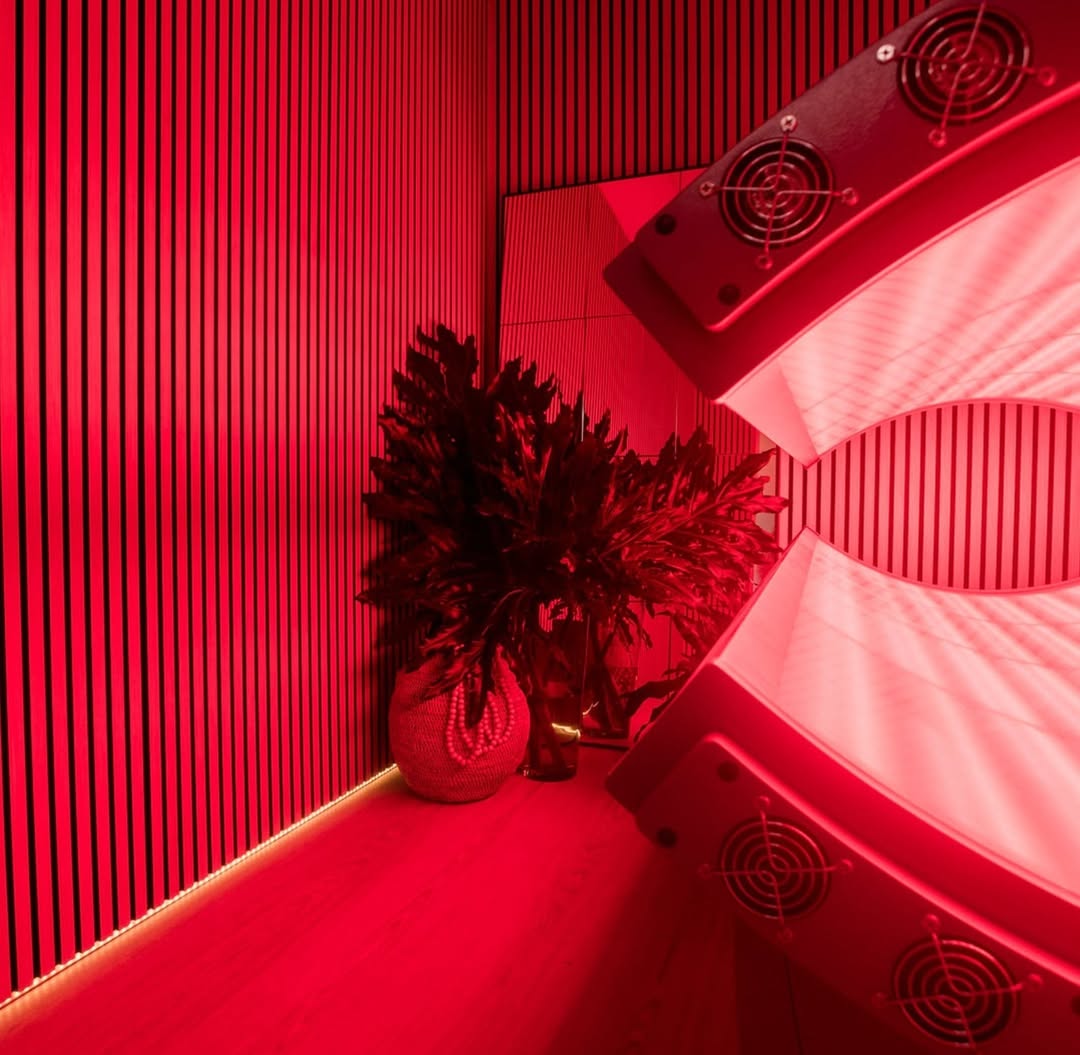
Red light therapy (RLT) has emerged as a groundbreaking approach in the realm of sports performance and recovery. Athletes and fitness enthusiasts alike are increasingly turning to this non-invasive treatment, which utilizes specific wavelengths of red light to stimulate cellular function and enhance overall physical capabilities. By promoting mitochondrial activity, RLT may boost energy production and facilitate faster recovery from strenuous workouts, making it an appealing addition to the regimen of anyone looking to improve their performance.
This article delves into the science behind red light therapy, exploring its potential benefits for athletes, including improved muscle recovery, reduced inflammation, and enhanced endurance. By examining the latest research and practical applications of RLT in sports medicine, we aim to provide readers with a comprehensive understanding of how this innovative therapy can support their athletic goals and elevate their performance to new heights.
Benefits of Red Light Therapy for Athletes
Red light therapy has been shown to offer various benefits for athletes seeking to optimize their performance. By enhancing mitochondrial function, RLT increases ATP production, providing muscles with the energy they need to recover more quickly after intense training sessions. This acceleration in recovery can lead to reduced soreness and a lower risk of injury, enabling athletes to train more effectively and with greater frequency. Additionally, studies have indicated that RLT can help mitigate inflammation, allowing for a more efficient healing process and improved muscle function post-exercise. To explore these advantages, many are turning to Red light therapy for performance as a key component of their training regimen.

Practical Applications and Future Research
The practical applications of red light therapy in sports medicine are expanding, with many facilities now offering RLT as part of their recovery programs. Athletes can incorporate this therapy into their routine fairly easily, whether through specialized devices or at dedicated clinics, making it an accessible option. As researchers continue to explore the effects of RLT, future studies may reveal even more potential applications, such as its influence on endurance and overall athletic performance. Continued exploration in this field could solidify red light therapy’s role as an indispensable tool for athletes looking to enhance their physical capabilities and achieve peak performance.
In conclusion, red light therapy stands at the forefront of sports performance enhancement, offering a promising adjunct to traditional training and recovery techniques. By harnessing the power of specific wavelengths of light to stimulate cellular energy production, athletes are finding they can recover more swiftly, reduce inflammation, and ultimately perform better on the field or in the gym. As awareness and understanding of RLT grow, its integration into athletic training programs is likely to become more prevalent, reflecting a shift towards a more holistic approach to performance optimization. Continued research will undoubtedly shed light on additional benefits and applications of this innovative therapy, reinforcing its potential as a vital component in the arsenal of tools available to athletes striving for excellence.