

Melbourne, the capital of Victoria, is renowned for its vibrant culture, stunning architecture, and dynamic lifestyle. However, one of the city’s standout features is its extensive transport network, which plays a crucial role in connecting residents and visitors alike to its diverse neighborhoods and attractions. From trams and trains to buses and bicycles, Melbourne’s transport system not only facilitates daily commuting but also embodies the city’s commitment to sustainability and accessibility.
As one of the most liveable cities in the world, Melbourne’s transport landscape is continually evolving to meet the needs of its growing population. This article will explore the various modes of transport available, delve into the future innovations shaping the network, and highlight how these systems contribute to the overall efficiency and charm of the city. Join us as we journey through Melbourne’s transport opportunities, paving the way for a deeper understanding of how mobility influences urban life and enhances the city’s appeal.
Modes of Transport
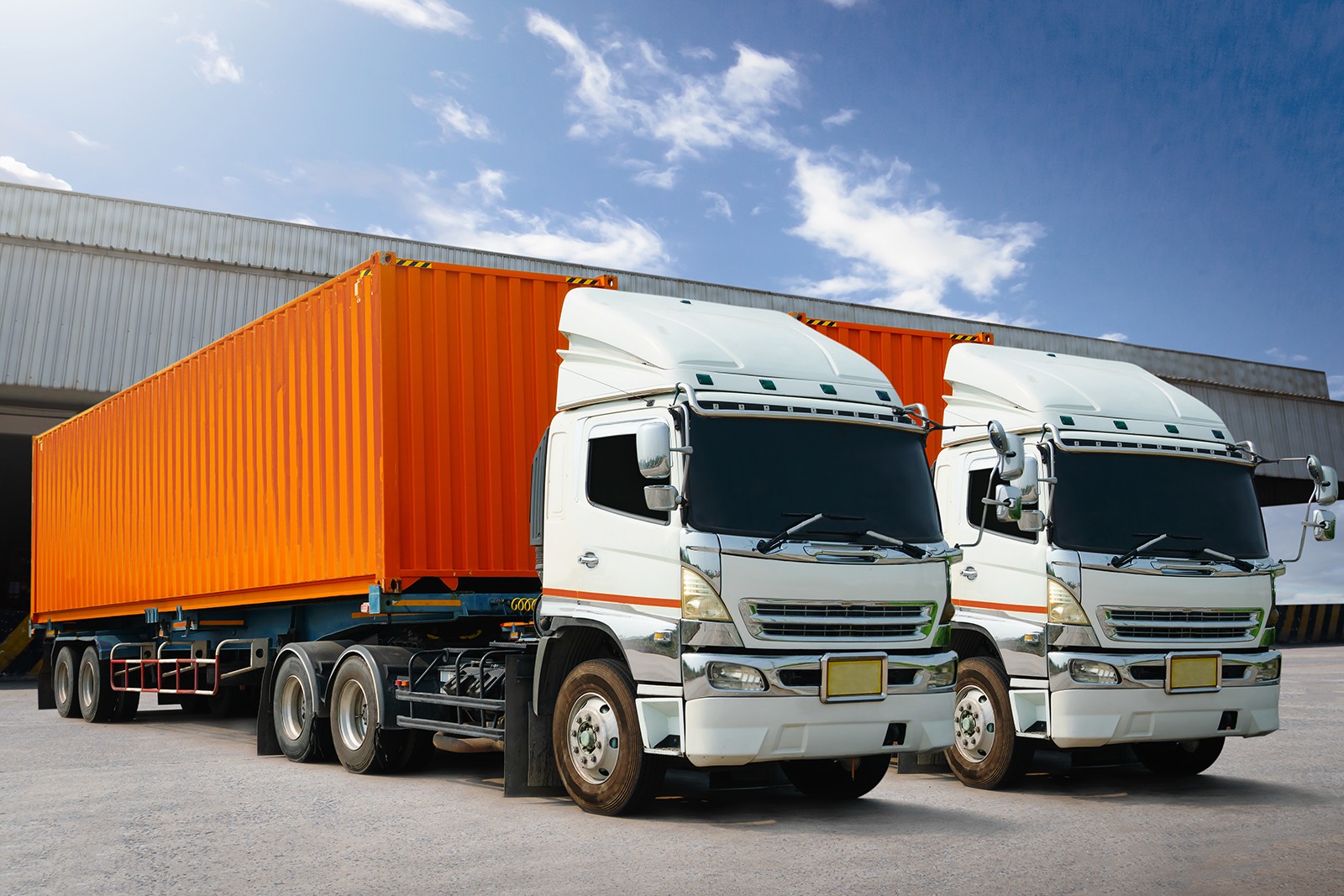
Melbourne’s transport network is an intricate tapestry of various modes, each contributing uniquely to the city’s mobility ecosystem. Trams are perhaps the most iconic aspect of this network, with their historic routes weaving through the heart of the city and providing an efficient means of transport for both locals and tourists. The extensive train system connects suburban areas to the central business district, while buses cover routes that may not be serviced by trains or trams. Additionally, the rise of cycling has fostered a culture of eco-friendly commuting, with dedicated bike lanes and initiatives promoting sustainable transport options. For more specialized transportation needs, services like Linehaul Transport Melbourne cater to logistics and freight, ensuring goods move seamlessly across the region.
Future Innovations
Looking towards the future, Melbourne’s transport authorities are investing in technological advancements to enhance the mobility experience. Smart ticketing systems and real-time tracking applications are already transforming how residents navigate the transport network. Upcoming projects aim to introduce autonomous vehicles and electric transport options, thereby reducing emissions and traffic congestion. Furthermore, the city is focusing on integrating sustainable energy resources, aligning with its commitment to environmental stewardship. These innovations not only improve efficiency but also ensure that Melbourne’s transport system remains adaptable and resilient, ultimately enhancing the quality of life for its inhabitants.
In conclusion, Melbourne’s transport network stands as a testament to the city’s dedication to fostering a connected and sustainable urban environment. With a rich blend of iconic trams, efficient trains, versatile buses, and a growing cycling culture, the system caters to the diverse needs of its residents and visitors. As the city embraces innovations such as smart technology and green transport solutions, it paves the way for a future that prioritizes efficiency, accessibility, and environmental responsibility. This ongoing evolution not only enhances the city’s mobility but also enriches daily life, solidifying Melbourne’s reputation as a forward-thinking metropolis where the movement of people and goods harmoniously aligns with the vibrancy of urban living.

